TREATMENT AT KLCC
Osteopathic Treatment
A whole-person, hands-on approach in King’s Lynn to understanding movement, function and musculoskeletal health.
Osteopathy looks beyond where it hurts
Osteopathy is based on the principle that the body works as an interconnected whole. Rather than considering a painful area entirely in isolation, an osteopath looks at how joints, muscles, connective tissues and patterns of movement relate to one another.
This means the place where you feel discomfort may be only one part of the picture. The osteopathic approach explores how the body is moving and functioning, what may be placing additional demand on an area, and which factors may be contributing to the problem.
Structure and function work together
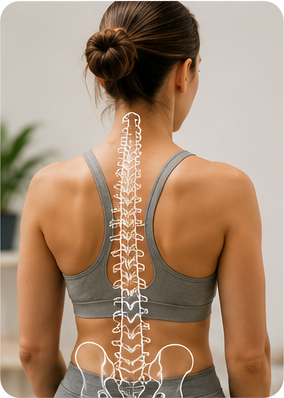
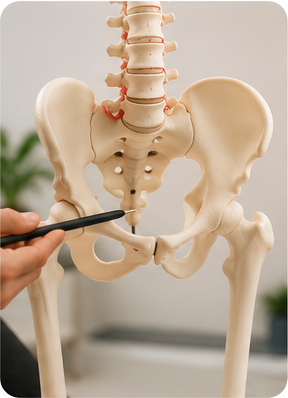
How comfortably the body moves depends on many structures working together. A restriction in one joint, increased muscle tension or a change in the way you load one area can influence movement elsewhere.
Osteopaths use their knowledge of anatomy, biomechanics and movement to consider these relationships. The aim is not simply to identify a sore spot, but to build a broader understanding of how your body is functioning and what may be influencing your symptoms.
Looking for contributing factors
Osteopathic thinking considers why an area may be under strain as well as where symptoms are being felt. Your work, sport, previous injuries, mobility, habitual movements and everyday physical demands can all be relevant to the way your body adapts.
For example, discomfort in one region may be influenced by reduced movement or altered loading elsewhere. This wider view helps the osteopath decide which areas may be relevant and where treatment can be most appropriately directed.
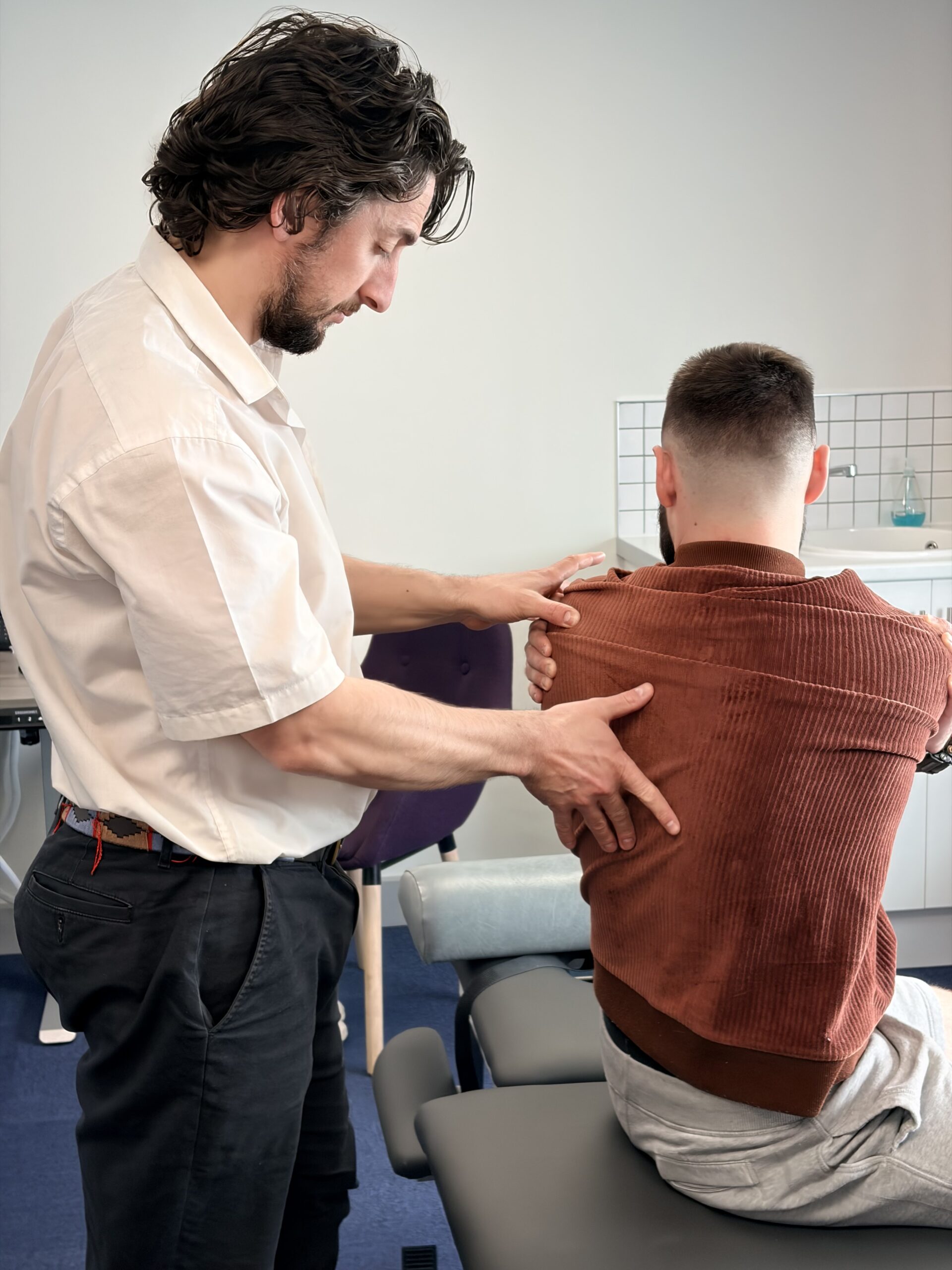
Hands-on osteopathic techniques
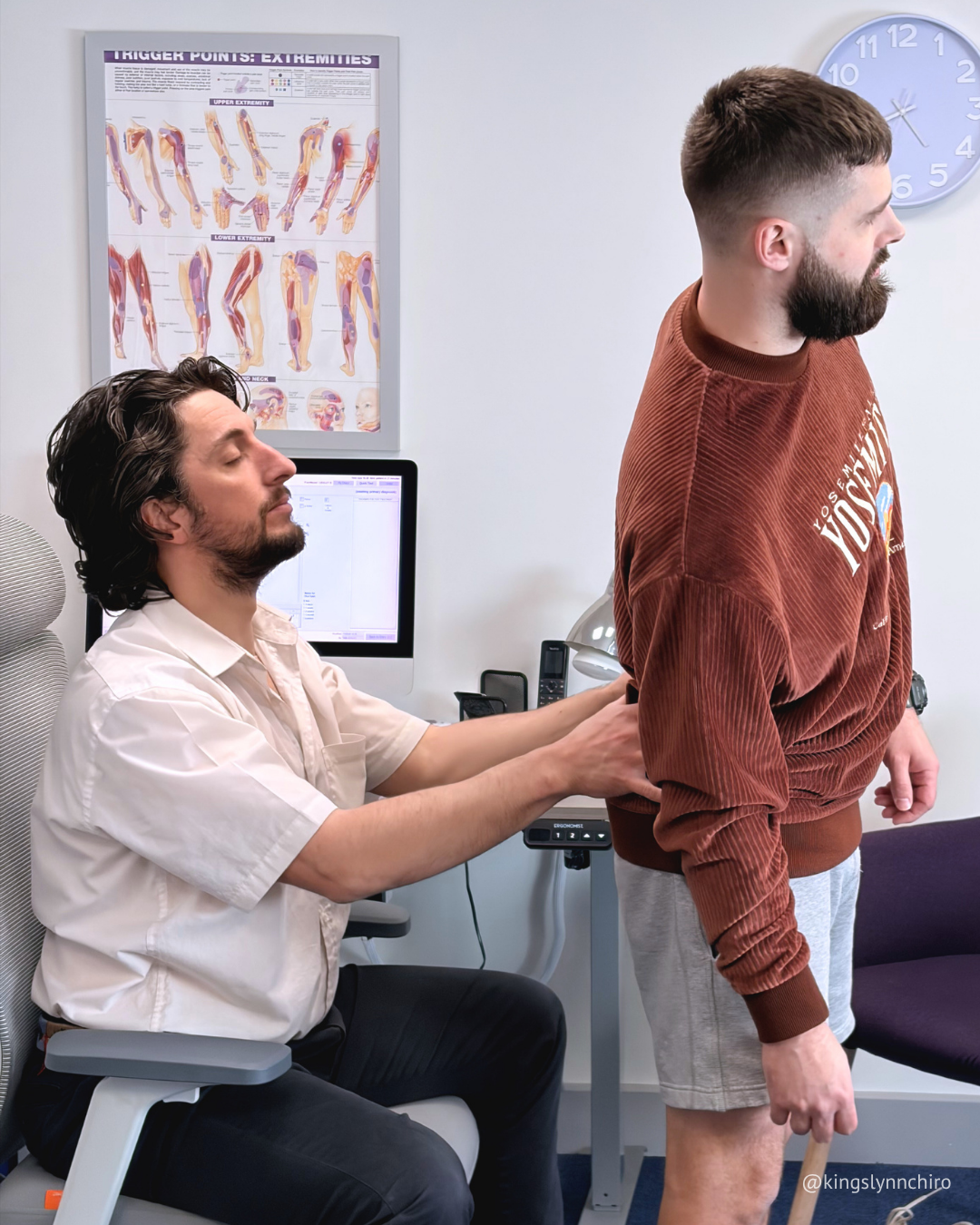
Osteopaths use a range of manual techniques selected according to the individual and the clinical picture. These may include:
- Soft-tissue and muscle techniques
- Joint articulation and mobilisation
- Stretching and movement-based techniques
- Gentle techniques where a lighter approach is appropriate
- Joint manipulation when clinically appropriate and agreed with you
The technique itself is only part of osteopathic treatment. What matters is why a particular technique is being used and how it relates to the wider pattern of movement and function identified by your osteopath.
Movement, adaptability and function
A central part of osteopathic care is helping the musculoskeletal system move and function as comfortably and efficiently as possible. Treatment may therefore focus on improving mobility in restricted areas, reducing excessive muscular tension and helping the body distribute movement and load more effectively.
The goal is not to force the body into a particular position or promise a quick fix. Osteopathic care aims to support useful changes in movement and function while recognising that every person adapts differently.
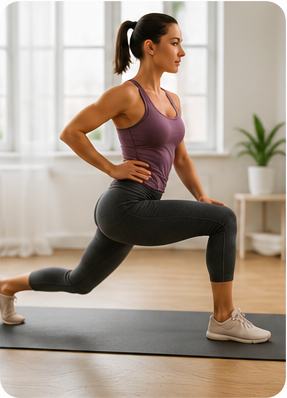

A whole-person approach
Two people with similar symptoms may have very different contributing factors. Osteopathy therefore takes account of the individual rather than applying exactly the same treatment to everyone.
Your general health, age, activity, occupation, previous injuries, mobility and personal goals can all influence the approach taken. Treatment is adapted accordingly, with referral for further medical assessment where this is more appropriate.
Meet our osteopaths
Osteopathic care at KLCC is provided by Jeanette Howells and Samuel Lidgley.
What can osteopathy be used for?
People seek osteopathic care for a range of musculoskeletal problems, including back, neck and shoulder discomfort, joint and muscle aches, stiffness or restricted movement, postural and work-related strain, and activity or sports-related problems.
Whether osteopathy is appropriate depends on the individual, the nature of the problem and the clinical findings.