
ADVICE & SELF-MANAGEMENT
Back Pain Advice
Back pain is common. For many people, sensible movement, gradually returning to normal activity and understanding what influences their symptoms are important parts of recovery.
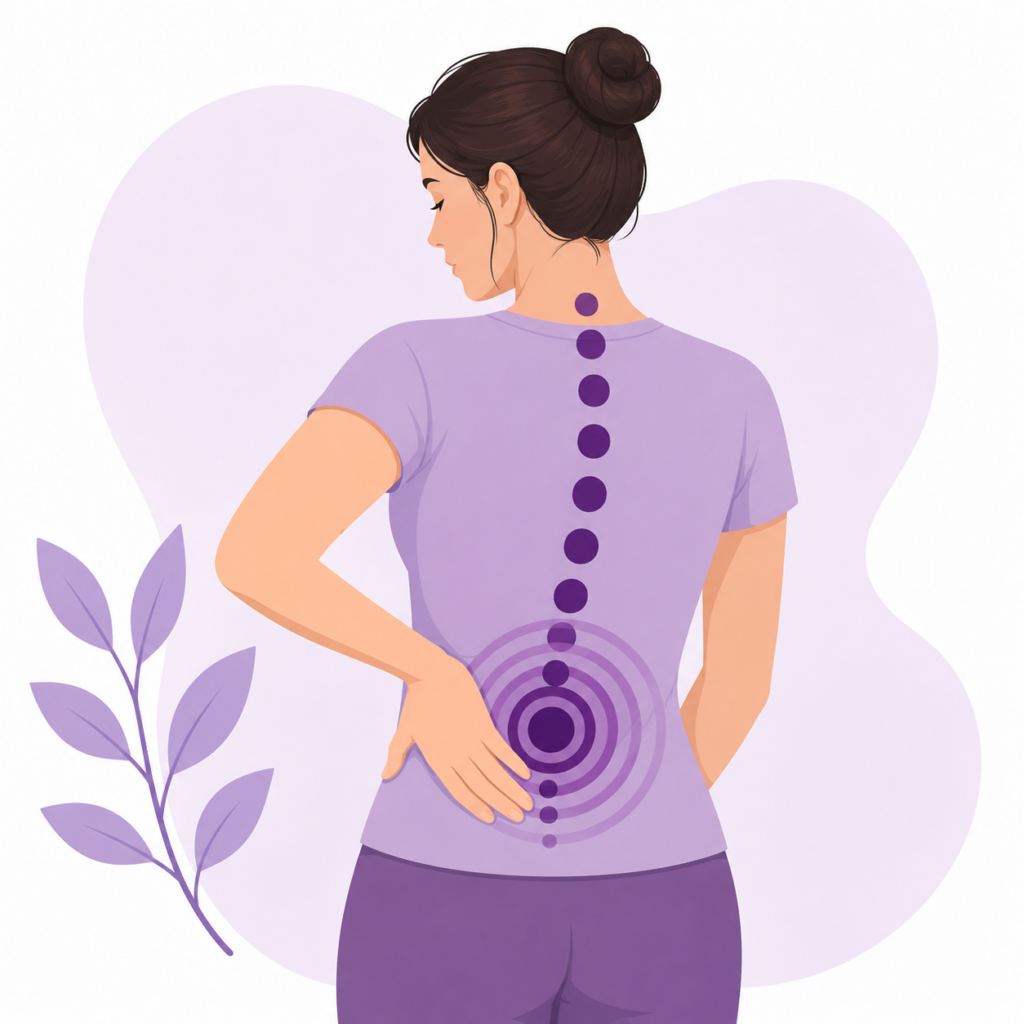
Keep moving where you can
Current guidance encourages people with uncomplicated low back pain to continue normal activities as far as they reasonably can. Long periods of bed rest are generally not helpful. Start with manageable activity and build up gradually according to your symptoms and confidence.
There is rarely one single cause
Pain can be influenced by physical loading, sleep, stress, previous experiences, general health and confidence in movement. An individual assessment can help make sense of the factors that matter to you rather than relying on a one-size-fits-all explanation.
Practical things that may help
- Keep up everyday activity within tolerable limits rather than waiting to feel completely pain-free.
- Break demanding jobs into manageable amounts and vary your position and activity.
- Choose exercise or movement you feel able to continue; there is no single best exercise for everybody.
- Build activity gradually after a flare rather than trying to catch up all at once.
- Pay attention to sleep, recovery, stress and other factors that may affect how you feel.
- If pain is persistent, severe or limiting your normal life, seek an appropriate assessment.
When to seek urgent medical help
Most back pain is not an emergency. However, seek urgent medical assessment if back pain is accompanied by new loss of bladder or bowel control, numbness around the genitals or buttocks, rapidly worsening weakness or numbness in both legs, or if you are seriously unwell. Following major trauma, or if you have other significant health concerns, seek appropriate medical advice.
Related services at KLCC
If you are considering an appointment, you can also read about our chiropractic, osteopathy, acupuncture and massage therapy services. Which approach, if any, is appropriate depends on the individual assessment.
Evidence behind this advice
This page reflects current principles from NICE guidance on low back pain, the General Osteopathic Council’s patient information and the University College of Osteopathy’s evidence-based biopsychosocial approach to low back pain.