ADVICE & SELF-MANAGEMENT
Back to Work
Work does not require a single ‘perfect’ posture. Regular movement, sensible task variation and a gradual return after injury or a flare can often be more useful than trying to hold one position all day.
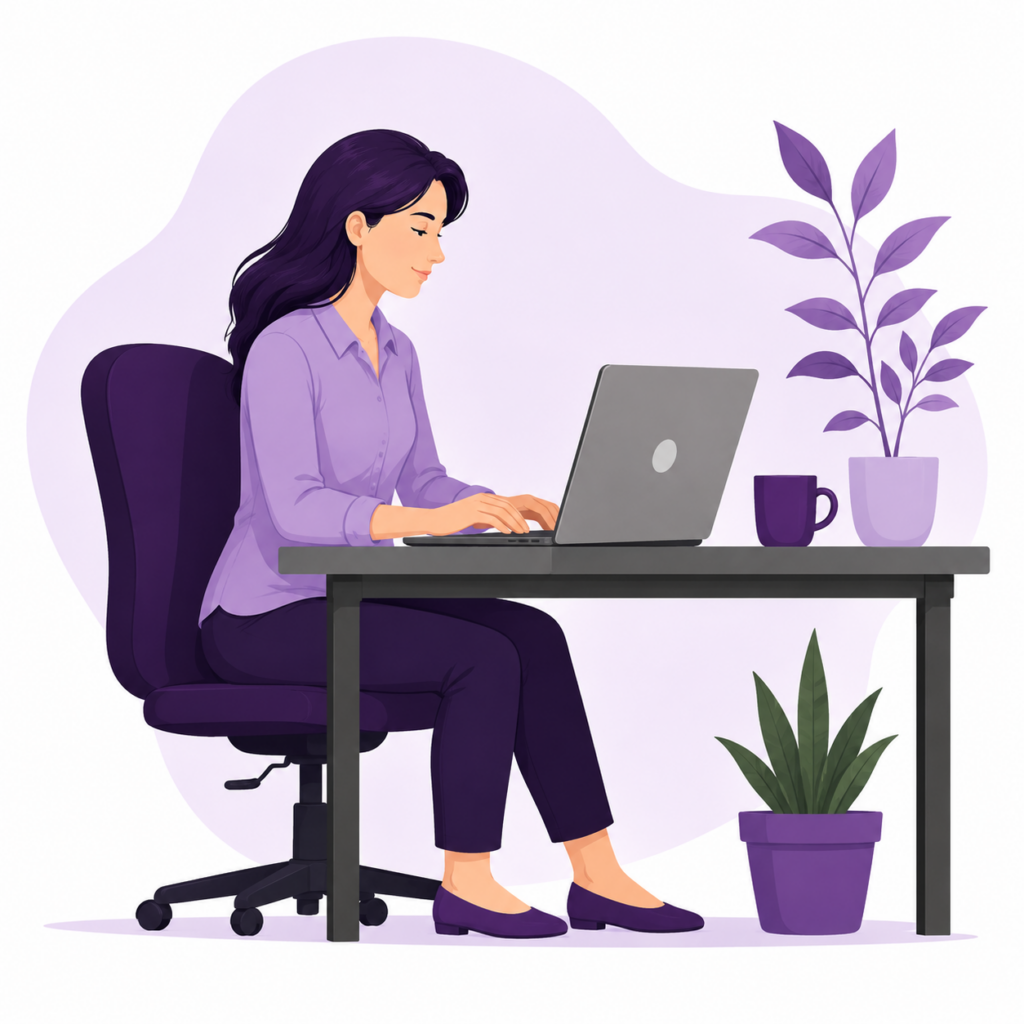
Desk & computer work
- Set up your screen, chair and frequently used equipment so you can work comfortably.
- Change position regularly rather than trying to maintain one rigid posture.
- Use natural opportunities to stand, walk or stretch during the day.
- If a particular position aggravates symptoms, adjust it and vary the task rather than repeatedly pushing through.
Physical & manual work
- Plan heavier or awkward tasks before you start and use suitable equipment or assistance where available.
- Keep loads manageable and close enough to control comfortably.
- Vary repetitive jobs and allow recovery between demanding tasks where possible.
- Build workload progressively after time away or a musculoskeletal flare.
Returning after pain or injury
You do not always need to be completely symptom-free before returning to normal activity. Depending on your job and your health, temporary adjustments, shorter periods of demanding work or a phased increase in duties may help. If symptoms are persistent or your work is difficult to modify, discuss this with an appropriate healthcare professional and your employer.
Related services at KLCC
For work-related musculoskeletal concerns, you can read about our chiropractic, osteopathy, myofascial treatment and yoga services. Suitability depends on the individual assessment and your goals.
The principle behind the advice
Our approach follows current guidance that encourages appropriate activity and self-management, alongside individual assessment when needed. Advice should fit the person and their work rather than impose one ‘correct’ posture or movement pattern.